
A lift station plays a critical, often unseen, role in ensuring the proper functioning of your property's wastewater system, especially in areas where gravity alone isn't enough to move waste to the main sewer line or septic tank. When this vital component starts to falter, it can quickly lead to significant inconvenience and potential health hazards. At GoSeptic & Sewer, we understand the worry these issues can cause, and we're here to help you recognize the early warnings before they escalate. Catching these signs early can save you from more extensive and costly lift station repairs down the road.
Unusual Noises or Vibrations
Your lift station typically operates with a consistent, relatively quiet hum when the pump activates. If you start noticing new or unusual noises, it's a strong indicator that something is amiss. This could manifest as grinding, rattling, clanging, or even a high-pitched squeal. These sounds often point to mechanical issues such as worn bearings, impellers hitting the casing, or blockages within the pump itself. Vibrations that are more pronounced than usual can also signal a problem with the motor or an imbalance that needs immediate attention.
Foul Odors
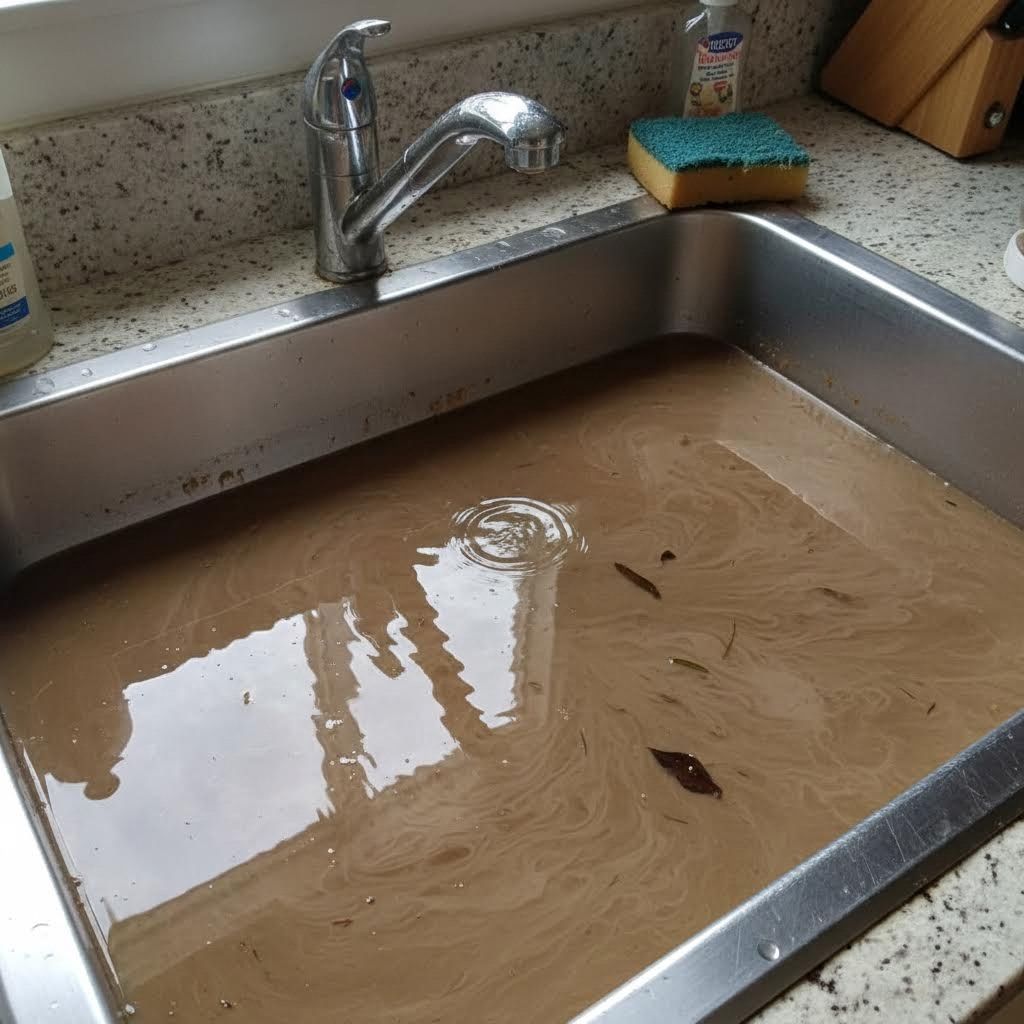
Just like with a struggling septic system, foul odors emanating from around your lift station or experiencing slow drainage in your sinks, toilets, or showers are major red flags. A healthy lift station efficiently moves wastewater, preventing it from backing up or stagnating. If the pump isn't working correctly, waste may sit in the collection basin longer than it should, leading to unpleasant smells.
Visible Leaks or Overflowing Basins
Visible signs of distress are often the most urgent and undeniable indicators that your lift station needs professional help. If you observe water pooling around the lift station’s access cover, or worse, notice that the collection basin itself is overflowing, you have an immediate problem. Leaks can point to compromised seals, cracked pipes, or a pump that isn't able to discharge water effectively. An overflowing basin means the system is completely overwhelmed, risking property damage, environmental contamination, and creating a serious health concern.
Pump Cycling On and Off Frequently
A lift station pump is designed to activate when wastewater reaches a certain level in the basin and then shut off once it has been discharged. If you notice your pump turning on and off much more frequently than usual, or "short cycling," it's a sign of inefficiency or a developing problem. This could be due to a faulty float switch, which tells the pump when to start and stop, or it might indicate that the pump is struggling to move the wastewater effectively. Frequent cycling puts undue stress on the motor, leading to premature wear and tear and significantly shortening the life of the unit.
Recognizing these four critical signs early can make all the difference in preventing minor lift station issues from becoming major, costly emergencies. If you've observed any of these symptoms, don't delay in contacting our team for professional assistance to diagnose and address the problem.