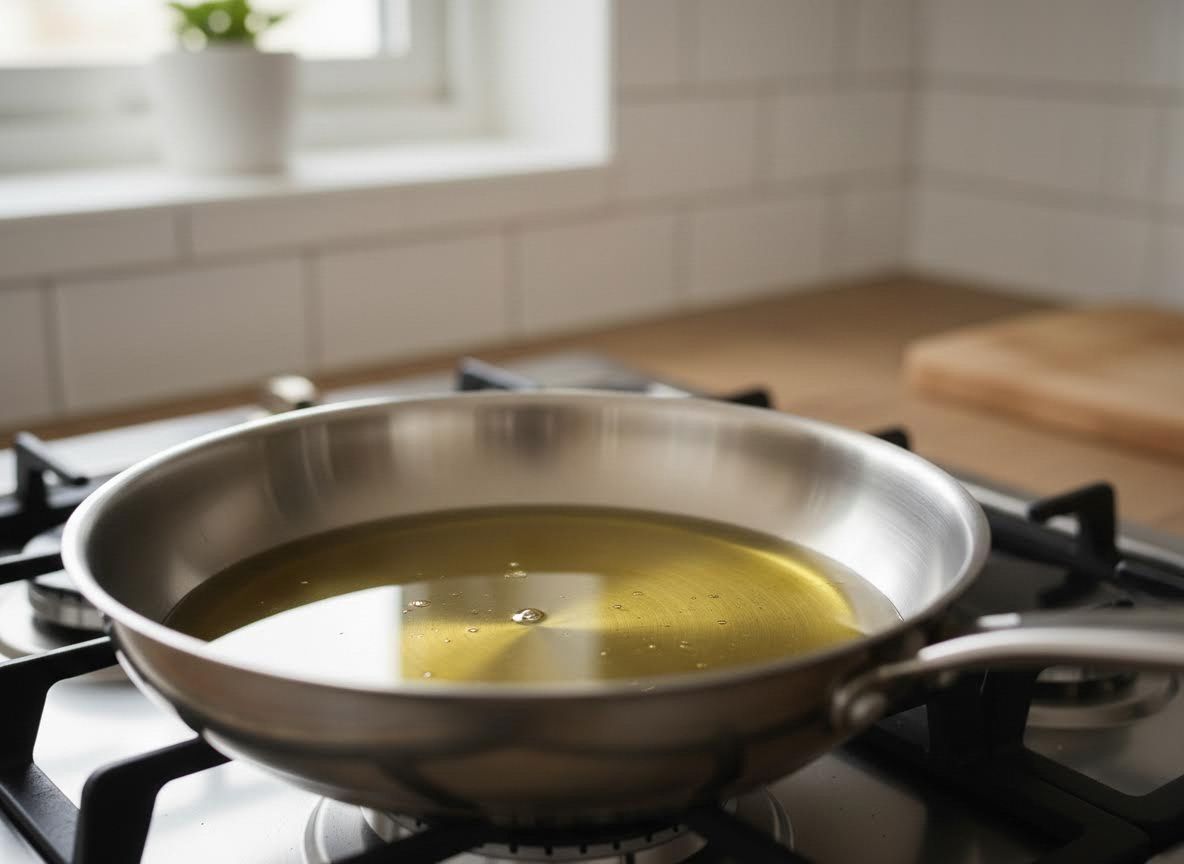
It's incredibly frustrating when your kitchen sink won't drain, or worse, starts to back up. Often, the silent culprit behind these messy situations is grease, oil, and fat (collectively known as FOGs) that solidify in your pipes. At GoSeptic & Sewer, we understand how disruptive and stressful these plumbing issues can be to your daily life, and we're here to share expert advice to help you keep your kitchen drains flowing smoothly.
Understanding the Grease Problem
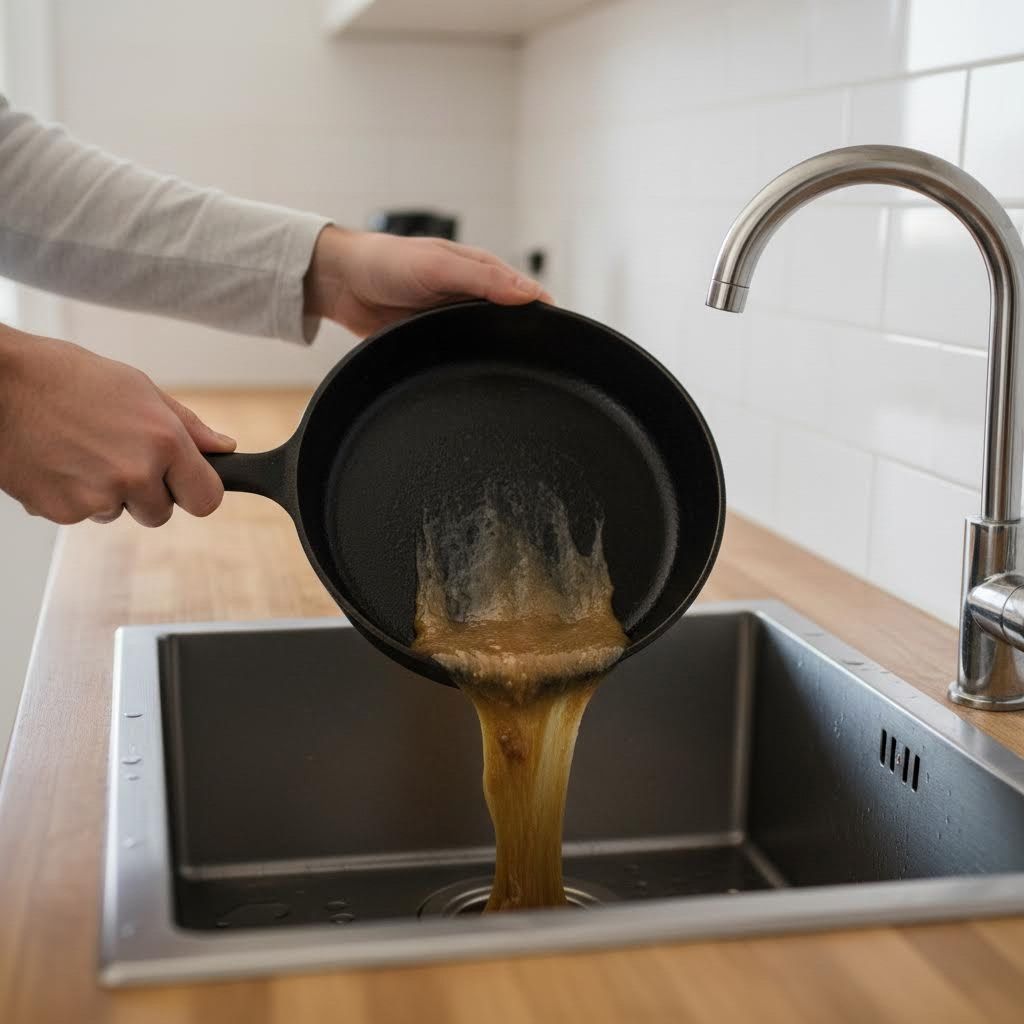
Grease might seem harmless when it's liquid and hot, but as it cools, it congeals and sticks to the inside of your pipes. Over time, this sticky residue builds up, narrowing the pathway for water and eventually leading to stubborn clogs. These clogs don't just stop at your kitchen sink; they can create blockages deeper within your plumbing system, potentially affecting your entire household's drainage and leading to expensive repairs if not addressed proactively.
Simple Steps for Grease Prevention
The best defense against grease clogs is prevention. Instead of pouring cooking oils, fats, and grease down the drain, let them cool and solidify. Once solid, scrape them into a non-recyclable container, like an old jar or coffee can, and dispose of it in the trash. For smaller amounts of grease, like residual oil in a pan, use a paper towel to wipe it clean before washing. Installing drain screens or catchers in your sink is another excellent first line of defense, trapping food particles and other debris before they have a chance to enter your pipes.
Beyond Grease: Other Drain Culprits
While grease is a major offender, it often works in tandem with other household waste to create formidable clogs. Avoid sending coffee grounds, eggshells, starchy foods like pasta and rice, and fibrous vegetables down your drain or garbage disposal. These items don't break down easily and can combine with solidified grease to form dense, impenetrable blockages.
Protecting Your Entire Plumbing and Septic System
Maintaining healthy kitchen drains is a crucial part of ensuring the overall well-being of your home's plumbing and, for many homeowners, the longevity of their septic system. Preventing grease and food particle buildup reduces the burden on your pipes and keeps waste flowing correctly to its destination. This proactive care complements routine septic tank services, such as scheduled septic tank pumping and septic tank cleaning, which are essential for preventing significant blockages and system failures.
Keeping your kitchen drains clear of grease and other debris is a simple yet effective way to prevent costly and inconvenient plumbing problems in your home. By adopting these careful habits, you're not just protecting your sink; you're safeguarding your entire plumbing infrastructure, including your septic system. If you ever find yourself facing stubborn clogs or need guidance on maintaining a healthy septic system, don't hesitate to reach out to our knowledgeable professionals who can offer peace of mind and lasting solutions for your home.