We all rely on our plumbing every day, and it's easy to forget about the complex system working behind the scenes to keep things flowing smoothly. However, what we flush down the toilet can have a significant impact on this system, especially if you have a septic tank. At GoSeptic & Sewer, we understand how vital a healthy septic system is to your home, and improper flushing habits are one of the leading causes of preventable problems.
The Myth of "Flushable" Wipes and Paper Products
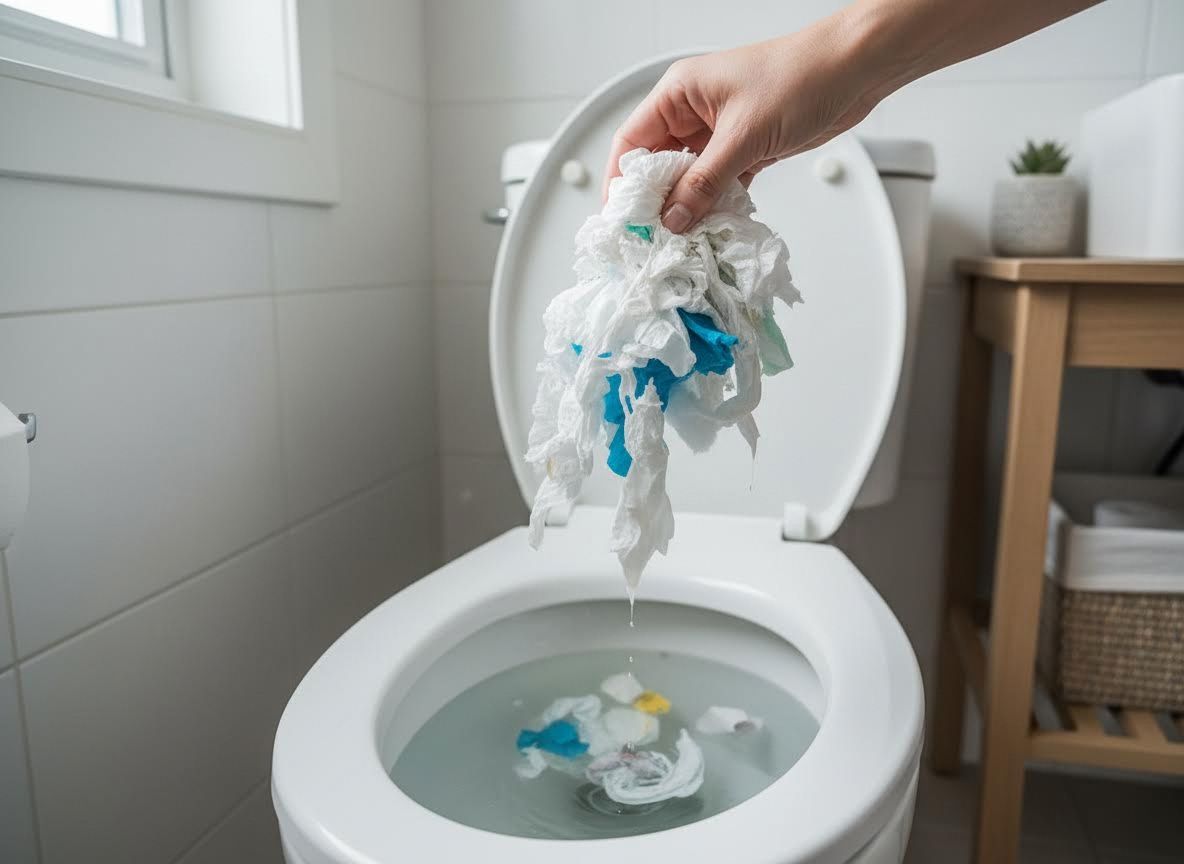
Many products are marketed as "flushable," but the reality for your septic system is often very different. Items like wet wipes, even those labeled as biodegradable, often don't break down quickly enough in your tank. Unlike toilet paper, which is designed to disintegrate rapidly, these wipes can accumulate, forming stubborn clogs in pipes and creating a thick, matted layer in your septic tank. The same goes for paper towels, tissues, and cotton balls – they absorb water but don't dissolve, leading to blockages and impacting the overall efficiency of your septic system.
The Dangers of Fats, Oils, Grease, and Food Scraps
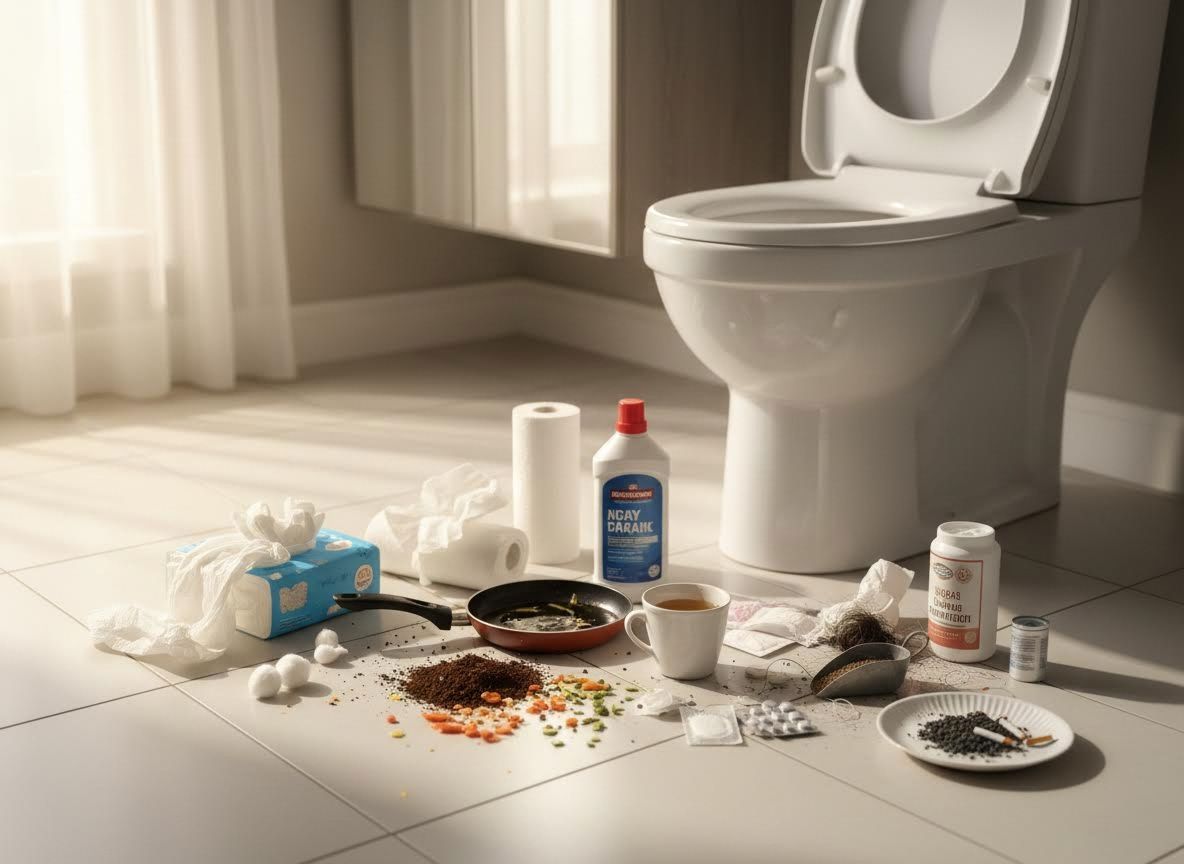
It might seem harmless to rinse a bit of cooking oil down the toilet or dispose of small food scraps, but this habit is a major culprit for plumbing and septic system woes. Fats, oils, and grease (FOG) cool and solidify as they travel through your pipes, clinging to the interior walls and narrowing the passageway. Over time, this buildup can create severe blockages. Food scraps, even seemingly small ones, can contribute to this problem and also interfere with the delicate balance of bacteria essential for breaking down waste in your septic tank.
Harsh Chemicals, Medications, and Non-Biodegradables
Beyond the more common offenders, there's a range of items that should absolutely never find their way into your toilet. Harsh chemical cleaners, for instance, can kill the beneficial bacteria in your septic tank that are crucial for waste decomposition, disrupting the entire treatment process. Expired medications should also never be flushed, as they can contaminate groundwater and interfere with the biological activity in your tank. Other non-biodegradable items like feminine hygiene products, dental floss, hair, cat litter, and even cigarette butts can cause physical obstructions, entangling themselves in plumbing or accumulating in the septic tank.
Understanding what should and shouldn't be flushed down your toilet is one of the easiest yet most effective ways to protect your plumbing and ensure the longevity of your septic system. By making mindful choices, you can prevent inconvenient backups, unpleasant odors, and costly repairs that disrupt your daily life. If you're experiencing any issues with your septic system or simply want to ensure it's in top condition, exploring professional septic tank services can provide peace of mind.